The Future of Workplace Design
Modern workplaces are evolving beyond traditional office layouts. Businesses are increasingly creating environments that support collaboration, productivity, wellbeing and flexibility.
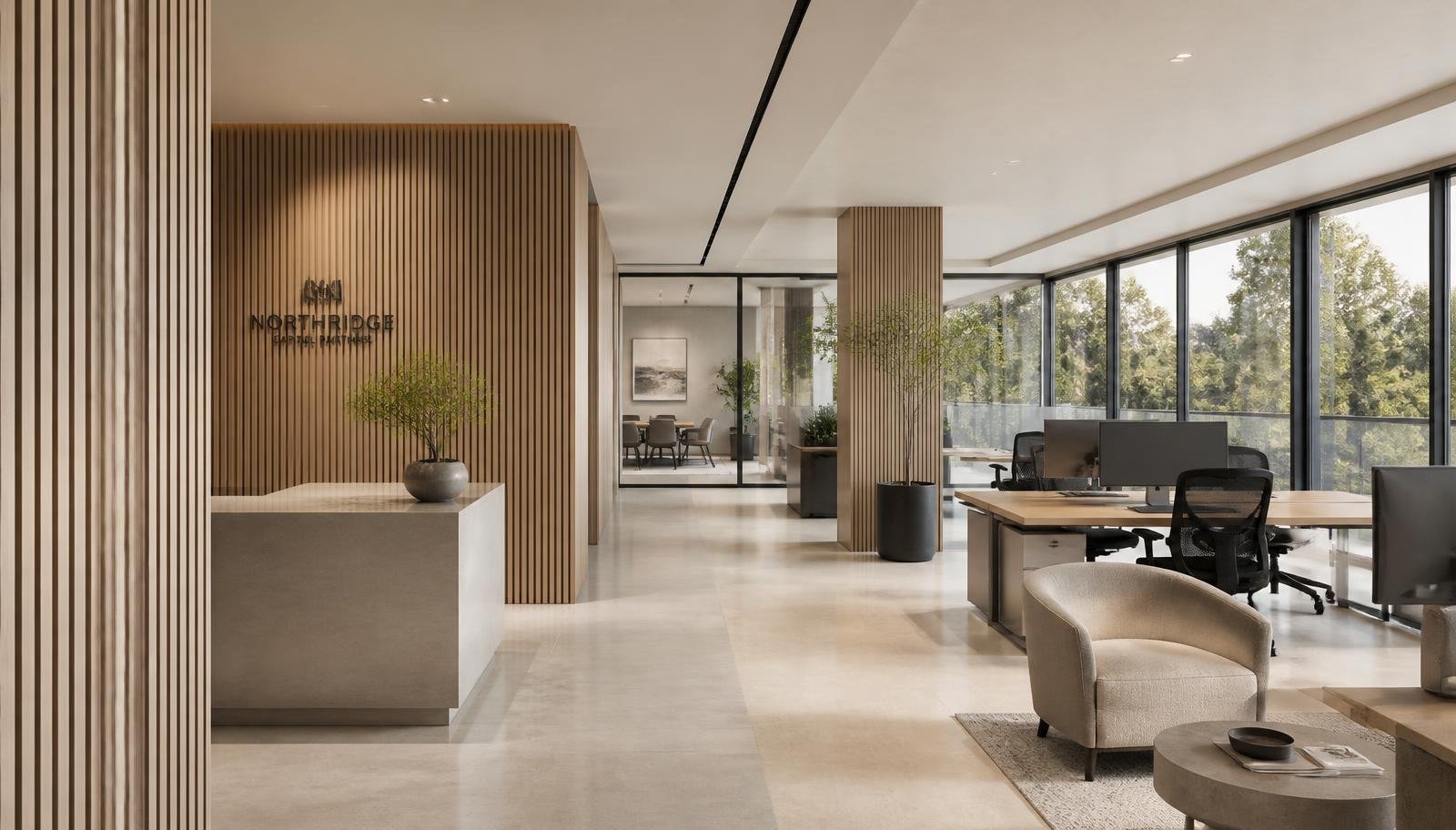
Designing for Collaboration
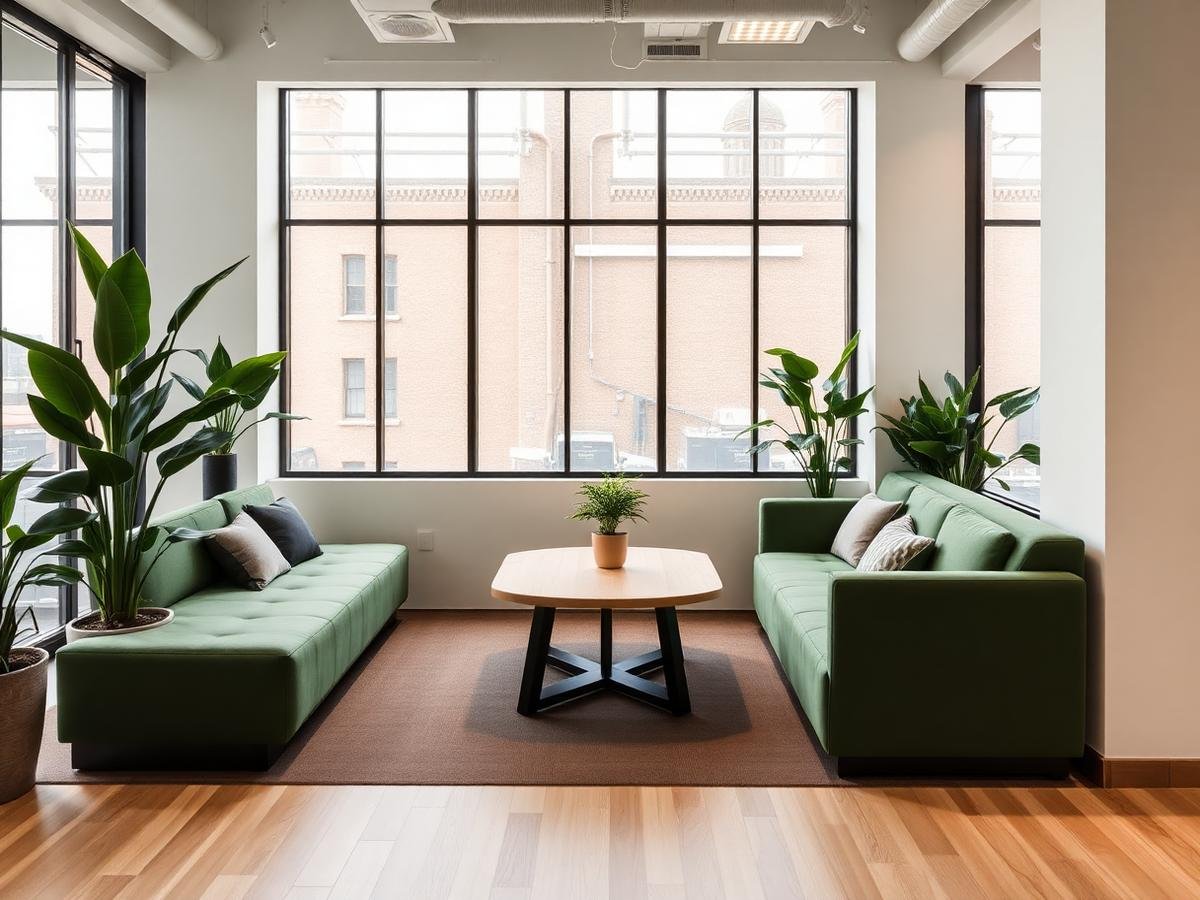
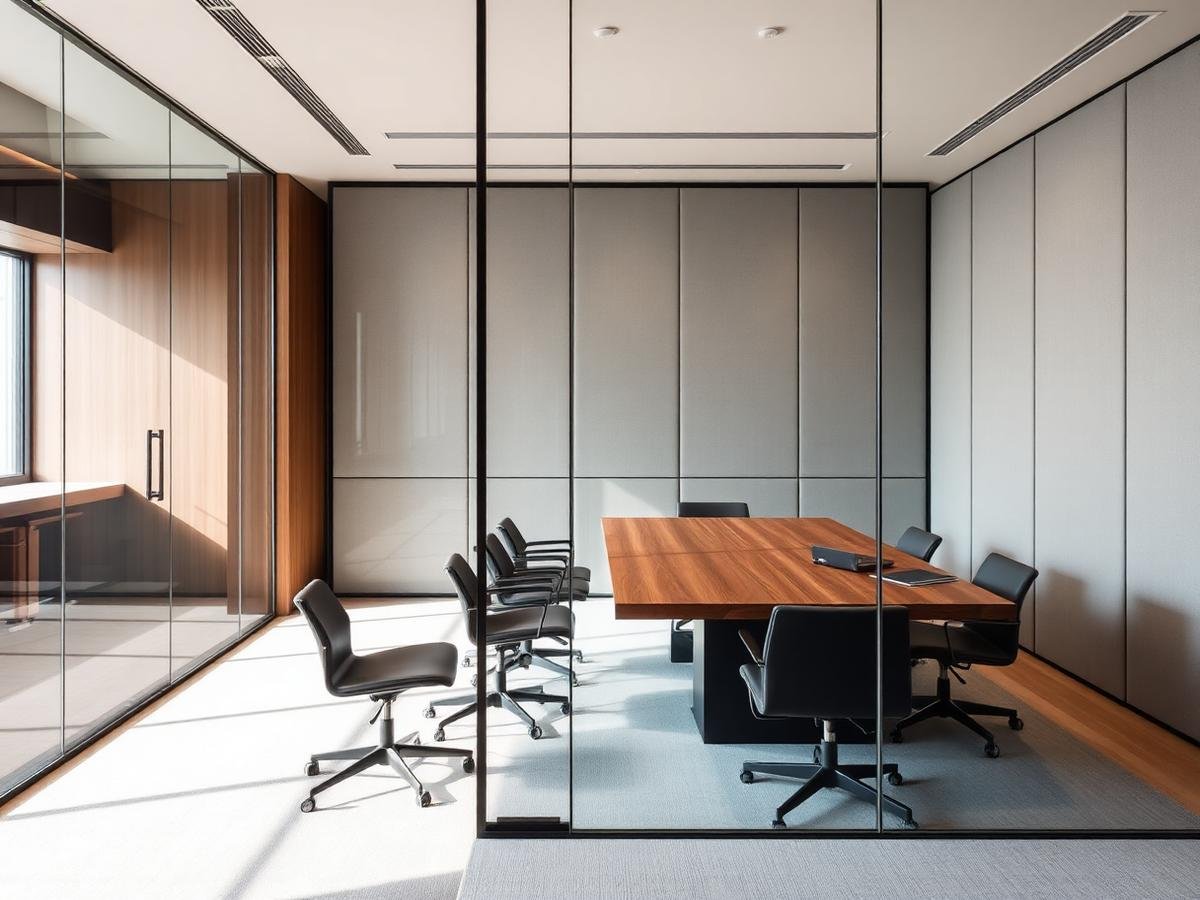
Collaborative environments help teams connect, exchange ideas and work more effectively. The right balance of open and private spaces creates a workplace that adapts to different working styles.
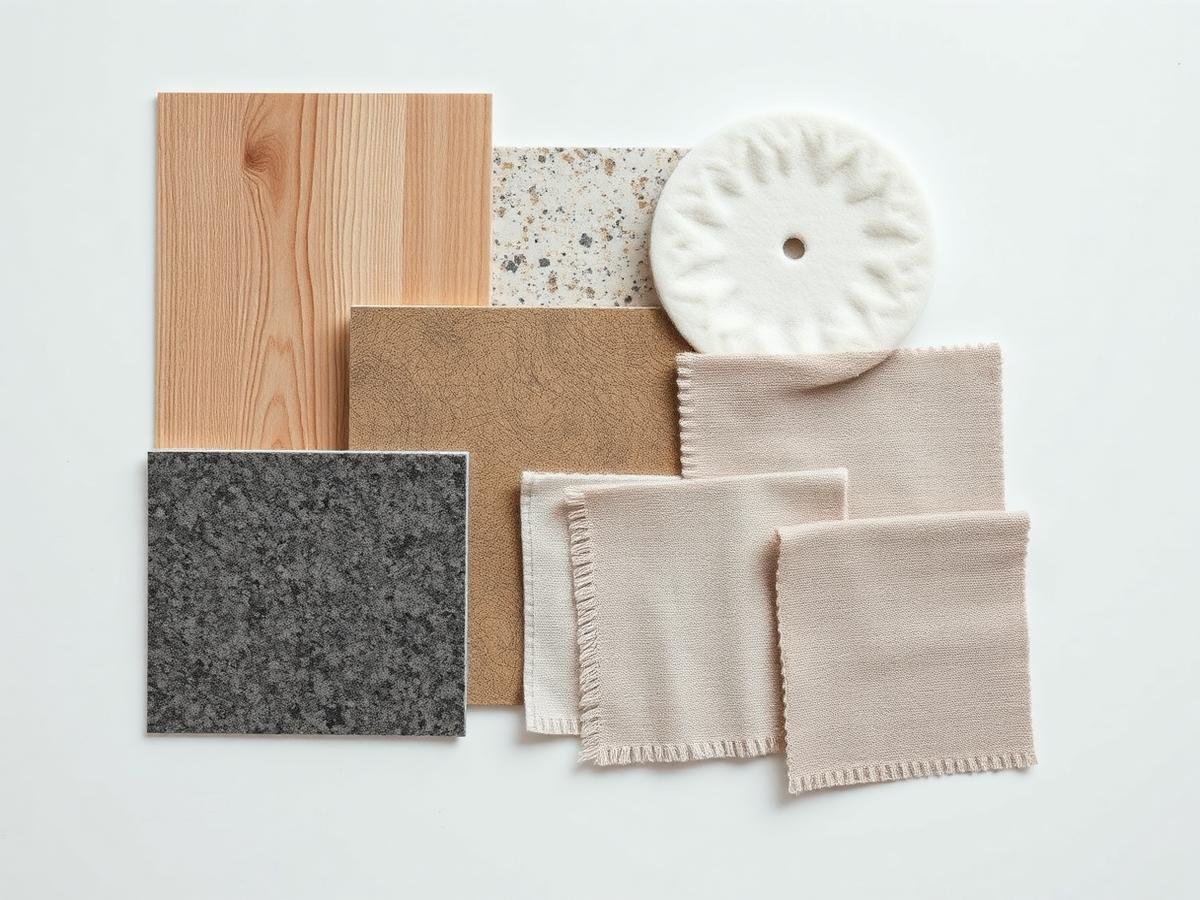
Materials That Shape Experience
Materials, textures and finishes play an important role in defining the character of a workplace. Natural finishes and carefully selected materials can create spaces that feel warm, professional and timeless.
Creating Welcoming Workplaces
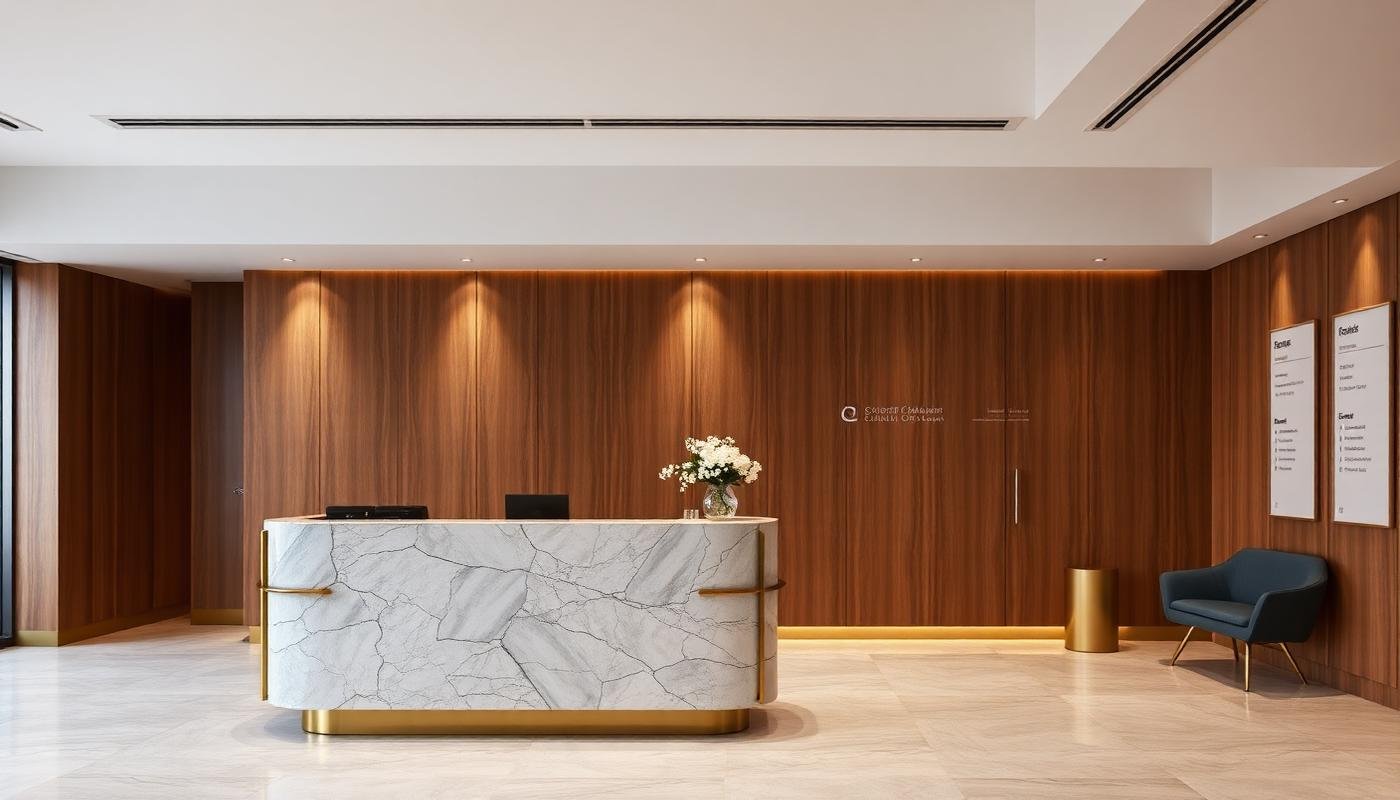
A well-designed reception area creates the first impression of a workplace. It should communicate the brand while providing a comfortable and welcoming experience for visitors and employees.
Workstations for Modern Teams
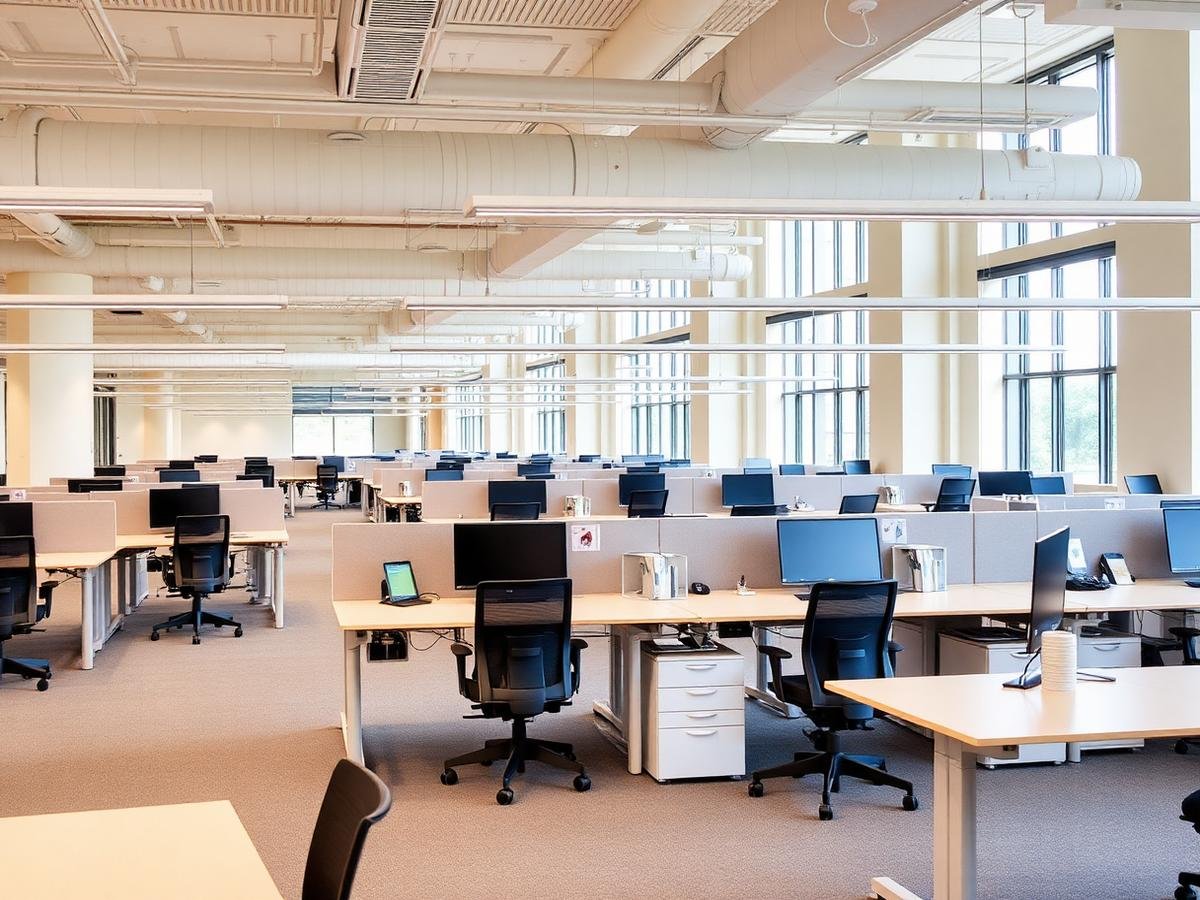
- Flexible layouts for changing team requirements
- Comfortable and ergonomic workstations
- Spaces for focused individual work
- Dedicated areas for collaboration
- Better employee experience and wellbeing
Key Considerations
- 01Understand how teams actually use the workplace.
- 02Balance collaboration with focused work.
- 03Prioritise comfort, ergonomics and wellbeing.
- 04Create flexibility for future business growth.
| Workplace Element | Purpose | Impact |
|---|---|---|
| Collaborative Areas | Team interaction | Better communication |
| Focus Areas | Individual work | Improved concentration |
| Meeting Spaces | Discussions | Effective decision making |
| Breakout Areas | Informal interaction | Employee wellbeing |